Changes for Drivers at "Regitra": Will the Exam Be Different?
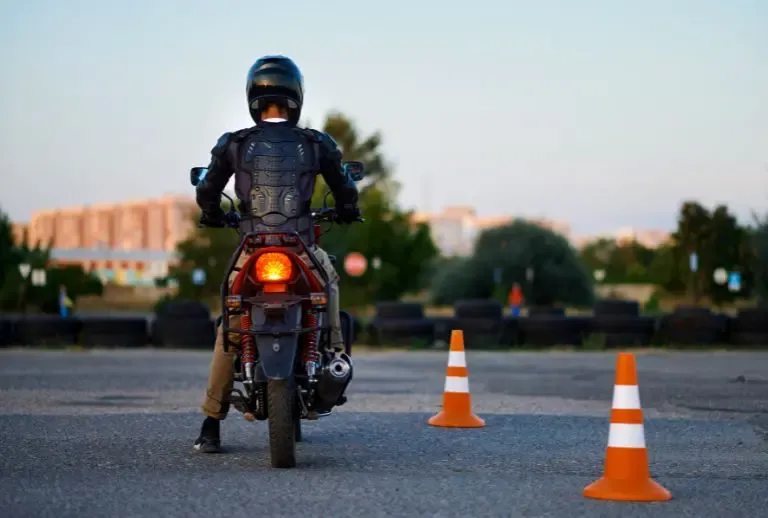
“Some members of the Seimas have set out to change the exam procedure at ‘Regitra’. However, driving experts warn: if exceptions are introduced for taking the theory exam, it will only increase road accidents” – it is written in the source: tv3.lt. “In the Seimas, after the first reading, the amendment proposal to the Road Traffic Safety Act, put forward by social democrats Indrė Kižienė and Rimantas Sinkevičius, was approved.” So, if such a decision is finally approved and comes into force, drivers holding B, C, or D category driving licenses would no longer need to take the theory exam at ‘Regitra’...
Read moreWhat to do if bitten by a snake?

With increasing reports of snake bites 🐍, we want to share important information on how to properly respond in such a situation. The first and most important step – stay calm! In Lithuania, two species of snakes are found, and only one venomous snake – the viper. It is very important to recognize which reptile has bitten you – this will help take appropriate actions and provide first aid. 🐍 Signs of a viper bite: Two puncture marks (tooth bite marks) – usually on the leg or arm Sudden, sharp pain at the bite site Swelling, redness, sometimes – bluish discoloration around the wound Warmth or...
Read moreWhen is it necessary to complete first aid courses in order to obtain a driver's license?
To obtain a driver's license in Lithuania for the first time, first aid courses are mandatory. They must be completed before taking the theory exam at "Regitra". Here are the main points: When do you need to complete first aid courses? Before registering for the theory exam at "Regitra". The course certificate must be valid at the time of the exam. Who does this apply to? Everyone who wants to obtain a first category (B, A, etc.) driver's license for the first time. If you already have a valid driver's license but want to add another category – often it is not necessary to retake these...
Read moreChanges are coming for those wishing to drive AM category vehicles
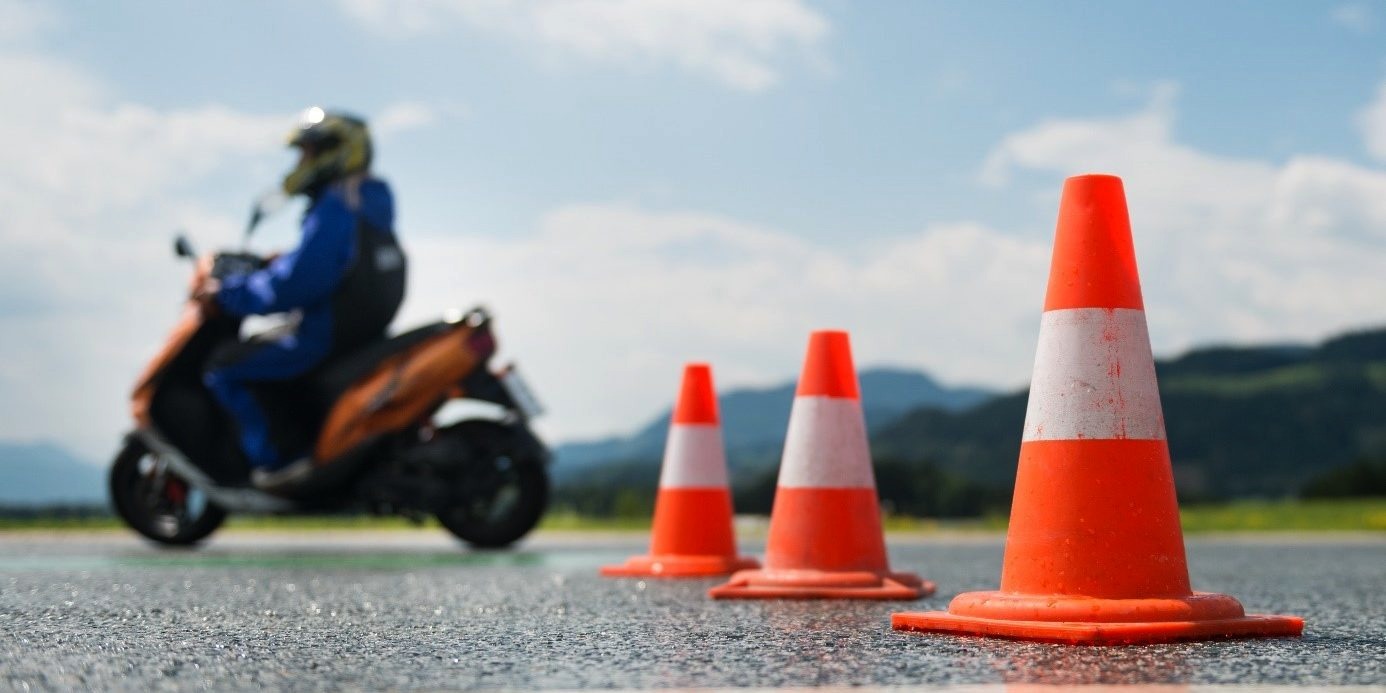
Mopeds* and light quadricycles**. * Moped – a two-wheeled motor vehicle with a maximum design speed not less than 25 km/h and not more than 45 km/h, and an engine displacement not exceeding 50 cm3 (in case of an internal combustion engine), or a maximum continuous power not exceeding 4 kW (in case of an electric motor), or a three-wheeled motor vehicle with a maximum design speed not less than 25 km/h and not more than 45 km/h, and an engine displacement not exceeding 50 cm3 (in case of a spark-ignition (forced ignition) engine), a maximum continuous power not exceeding 4...
Read moreChoking
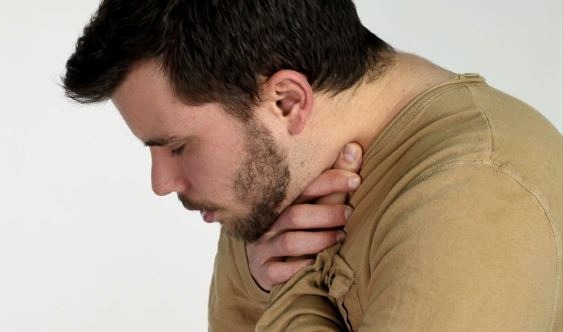
Let's review some effective actions to take if you suspect someone is choking. If choking is suspected, ask the victim: "Are you choking?" "Can you speak?" If the airway is completely blocked, the person will not be able to speak. 1. If the choking person can cough: encourage them to cough, observe. 2. If coughing is ineffective: lean them forward and give 5 back blows between the shoulder blades. 3. If back blows are ineffective: give 5 abdominal thrusts on the upper abdomen. 4. If the foreign object has not moved, repeat the actions: 5 back blows between the shoulder blades; 5 abdominal thrusts on the upper abdomen. 5. If the...
Read moreHow to call an ambulance?

It may seem like a very basic and simple thing to call an ambulance when needed, but do you all know how to do it correctly? When feeling worse or finding an injured person, we get confused and forget to take really important steps. So let's review, how to call an ambulance? Call the ambulance (also known as EMS) yourself or ask those around you to do so; Dial the phone number 112 (the general emergency number is the same throughout Europe); Specify where the ambulance should come – indicate the district, street, address. Provide other landmarks, e.g., distinctive nearby objects; Explain in detail...
Read moreEpilepsy is not an obstacle to living

Epilepsy is a neurological disease that can vary greatly and require individual care. Here are some tips on how to help a person with epilepsy. Basic knowledge about epilepsy: 1. Understand what epilepsy is – it is a neurological disorder characterized by recurrent seizures due to abnormal electrical activity in the brain. 2. Seizures can be of various types – from brief loss of consciousness to severe convulsions. 3. Know that not all epileptic seizures are the same – some people may simply freeze or disconnect, while others may lose consciousness and experience strong body convulsions. How to help during a seizure: 1. Stay calm. The most...
Read moreHow to reduce the risk of winter injuries?
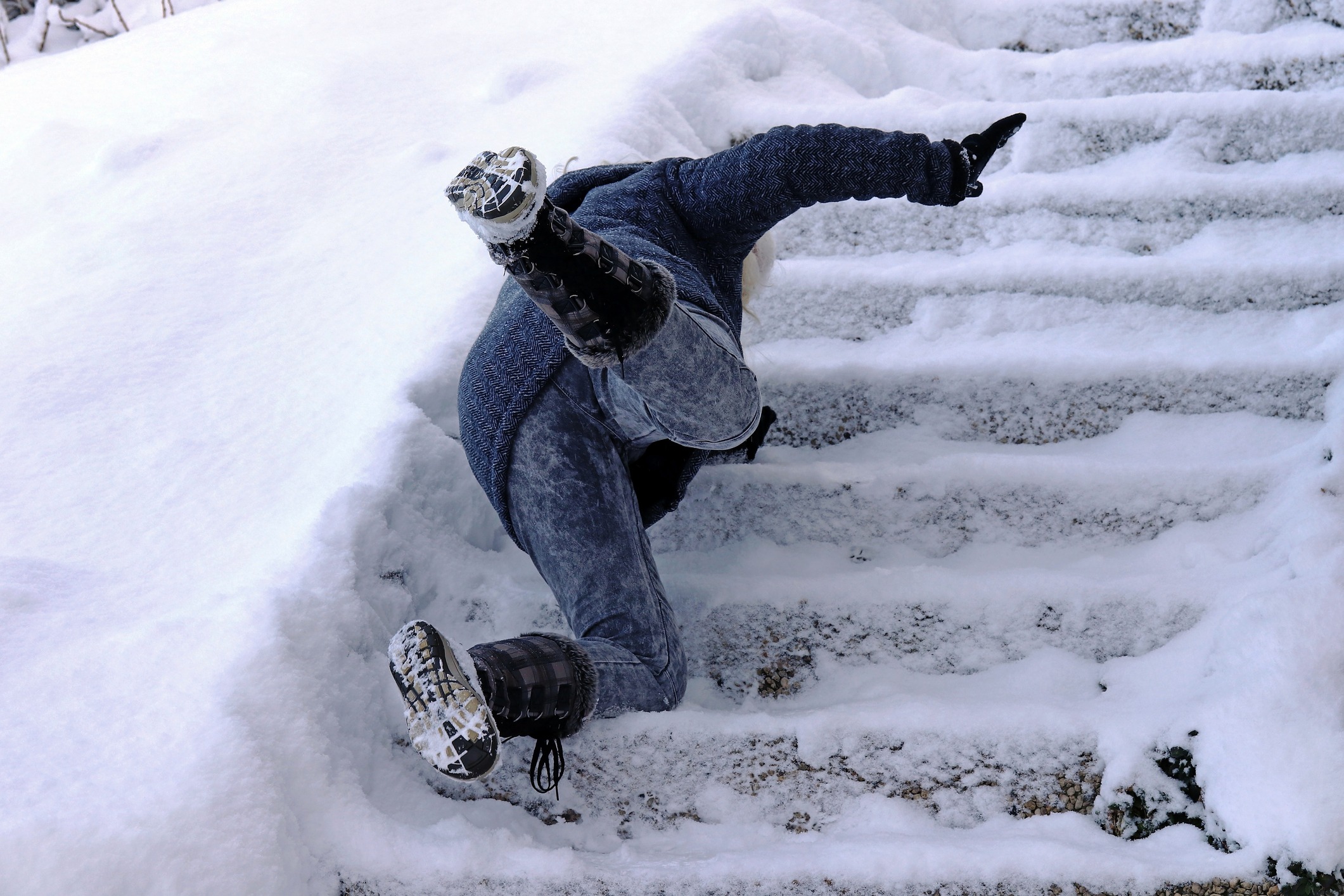
Temperatures dropping below zero, ice and snow covering the ground require increased vigilance not only from drivers but also from pedestrians. During the cold season, due to more challenging weather conditions, the risk of fractures, head injuries, and frostbite increases, and medical professionals face queues of patients suffering from these or other injuries. However, many injuries can be avoided. Read more about this in the source and learn how, by being sufficiently cautious and taking preventive measures, we can avoid many injuries or mitigate their consequences. https://www.lrt.lt/naujienos/sveikata/682/2420485/greitosios-medicinos-pagalbos-specialiste-ivardijo-kaip-sumazinti-ziemos-traumu-rizika If you have any questions, contact us: 🌐 https://epirmojipagalba.lt/ 💌 Email: info@togilas.lt 📞 Mobile Phone: 8 6 14 12278...
Read moreNudegimas
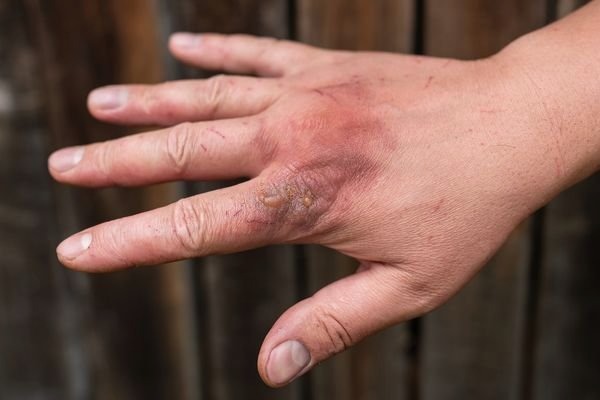
How to recognize? Thermal burn: A burn caused by contact with fire or heated objects, dry heat, friction, hot liquids or steam. Chemical burn: A burn caused by corrosive substances (acids, alkalis). Most often we know nothing or very little information and cannot imagine how to act when burns are caused by electric current or radiation. Burns that can be caused by electric current, radiation Symptoms: Pain Redness of the skin, surrounding tissues swollen (superficial burn) Blisters (medium depth burn) Charred, grayish, dead skin (deep burn) Shock Electric burns are characterized by brown, copper-colored deposits on the skin, burn signs at the entry and exit points of the electric current. FIRST AID Ensure your own...
Read moreBone fractures
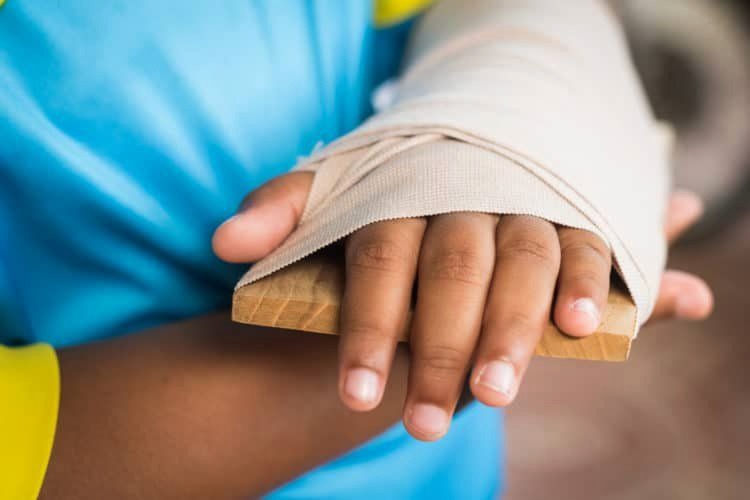
Can you recognize bone fractures? A bone fracture can be: Open or closed. Open – the skin at the fracture site is damaged, an open wound appears, with bone ends protruding from it. Closed – the skin at the fracture site is not damaged. Signs of bone fractures: Swelling and bruising at the fracture site Pain A crackling sensation or sound felt or heard Change in shape: the limb may be shortened, unusually bent, twisted, or deformed Movement impairment Loss of weight-bearing function Visible bone fragments. FIRST AID When there is an open bone fracture Stop the bleeding Do not press on protruding bone fragments Bandage the injured area as you would a wound with an...
Read moreSevere allergic reaction – anaphylaxis
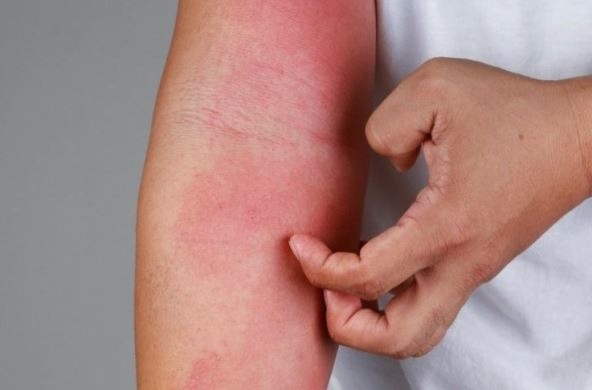
Did you know what anaphylaxis is? It is a severe allergic reaction to a foreign or alien biologically active substance, which affects various organ systems (most often the skin, respiratory, digestive, and cardiovascular systems). Symptoms: Shock Shortness of breath, hoarseness, cough; Skin redness, hives, swelling (eyelids, lips, ears); Swelling of the face, eyelids, tongue; Abdominal pain, nausea, diarrhea; The first signs usually appear within a few seconds or minutes after contact with the allergen (for example: insect sting), but symptoms can also appear later (within 2 hours). FIRST AID Call the general emergency number 112 and request an ambulance. If possible, gather information about the possible allergen. Ask the affected...
Read moreWhat to do when your nose is bleeding?
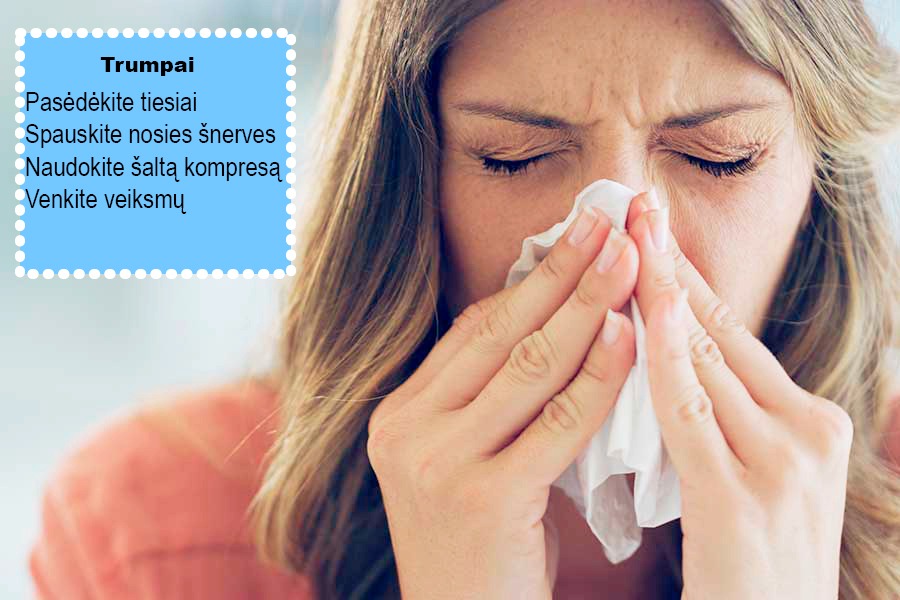
1. Sit down and tilt your head forward: Sit upright, tilt your head forward so that blood does not flow into the throat. Tilting the head back can cause blood to flow into the throat, which may cause nausea or vomiting. 2. Pinch the nostrils: Gently pinch the nostrils with your fingers (using your thumb and index finger). Hold for 5–10 minutes, breathe through your mouth. 3. Use a cold compress: If you wish, you can apply a cold compress or ice pack to the bridge of the nose. This can help constrict the blood vessels and stop the bleeding faster. 4. Avoid...
Read moreThe Importance of First Aid Skills for Drivers
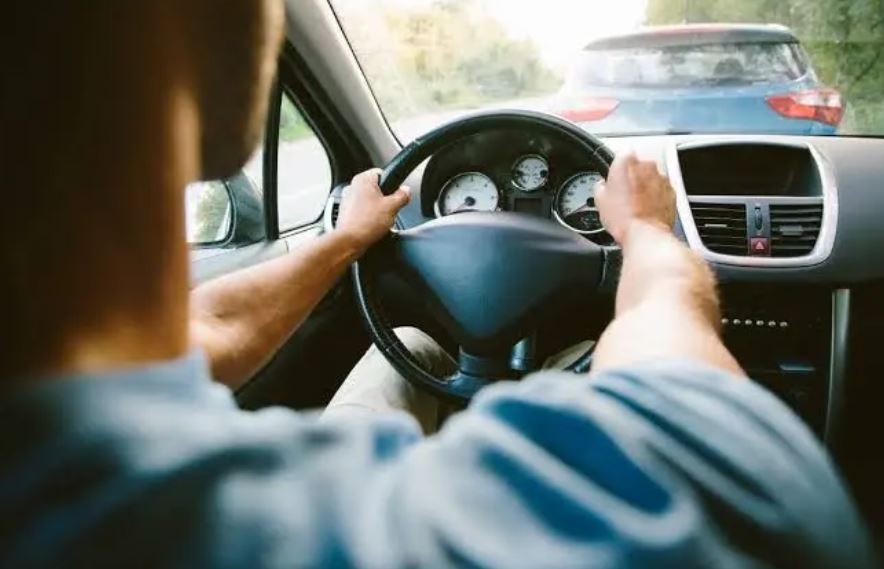
If you are preparing to obtain a driver's license or want to renew it (e.g., after losing the right to drive), you should know that First Aid skills and the certificate received after training are an integral part of this driver training process. The First Aid training certificate for future drivers is required not only in Lithuania but also in many other European countries. According to the order No. V-69 of the Minister of Health of the Republic of Lithuania dated January 28, 2008 (latest valid edition), every person who wants to become a driver must obtain a First Aid certificate...
Read moreDo you know how to act if a child is choking?
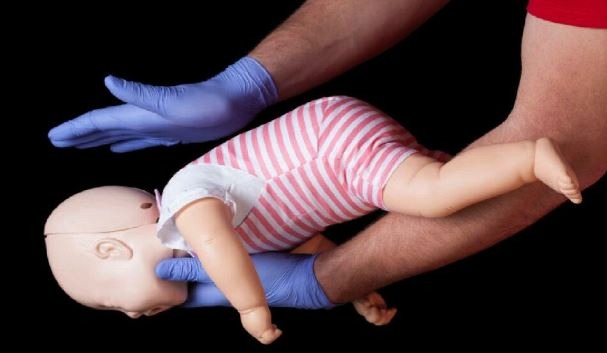
Babies and young children face a high risk of choking and suffocation during the first 3 years of life.Children most often choke on food or foreign objects such as small toy parts, coins, buttons, or bottle caps. Foreign objects can get stuck in the airways, making it difficult for air to enter. Due to lack of oxygen, the child's brain is at risk of damage.Since choking situations occur unexpectedly, it is necessary to react quickly and take urgent action. Read more in the source about the importance of recognizing a child's choking and what actions to take in such cases: https://www.etaplius.lt/naujiena/kaip-elgtis-uzspringus-vaikui If you...
Read moreHow to use a defibrillator?
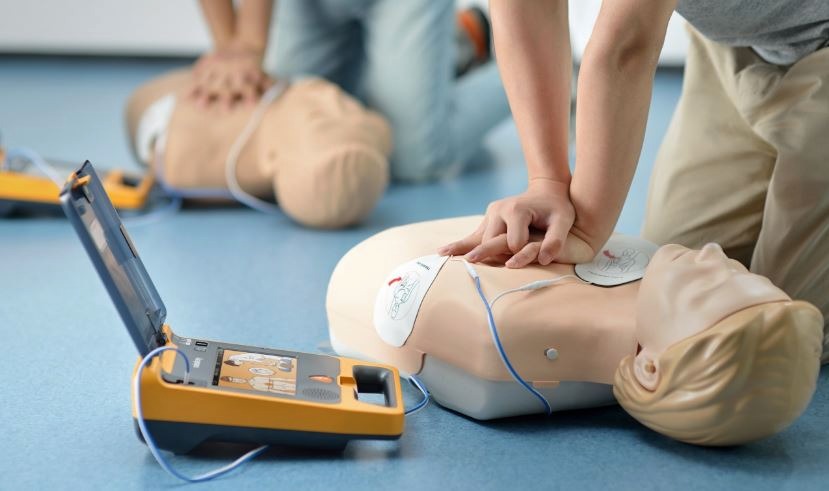
Knowing how to use a defibrillator is very important because it can save a life if someone experiences cardiac arrest. Here are the main steps on how to use an automated external defibrillator (AED): 1. Ensure the environment is safe Before starting to use the defibrillator, it is important to make sure the environment is safe for both you and the victim. For example, if the victim is in a body of water or a wet environment, they should be moved to a dry place. 2. Check consciousness and breathing Approach the person and try to find out if they are conscious. If they...
Read moreFirst Aid Kit
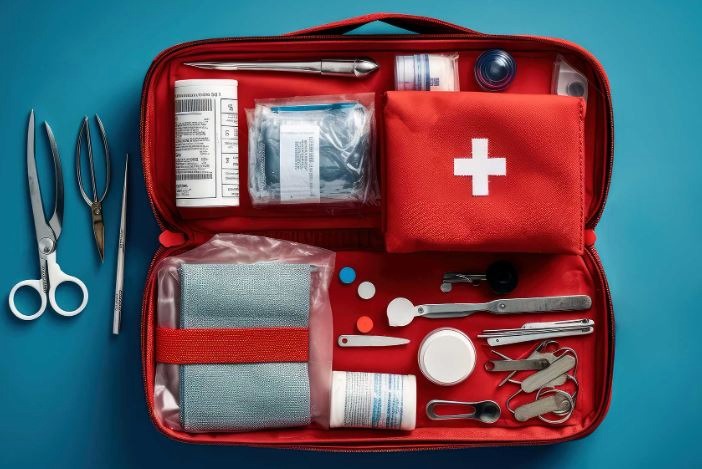
A first aid kit is an indispensable set of medical supplies that can help save a life or alleviate the consequences of an injury. Having a first aid kit at hand allows you to provide initial aid in cases of various injuries and ailments until medical professionals arrive. It is important to have newly equipped first aid kits both at home and in the car, at work, as well as for hikers, skateboarders, or travelers. If you have not yet replenished your first aid kit, we invite you to familiarize yourself with the new kit composition according to the requirements of...
Read moreWould you be able to recognize a stroke? What are the signs of a stroke?
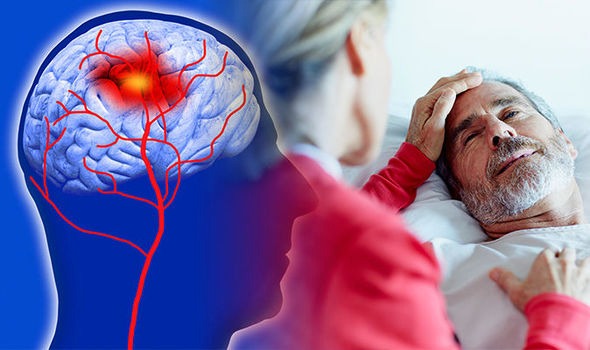
Stroke (or cerebral stroke) is a serious condition where blood flow to the brain is disrupted. This occurs when a blood clot blocks a brain artery or when a blood vessel in the brain bursts, causing bleeding into the brain. Due to stroke, brain cells can be damaged or even die because they do not receive enough oxygen and nutrients. Types of stroke: 1. Ischemic stroke – the most common type of stroke (about 85% of all strokes), occurs due to a blood clot that blocks a brain blood vessel. 2. Hemorrhagic stroke – occurs when a blood vessel bursts and blood leaks...
Read moreBleeding control
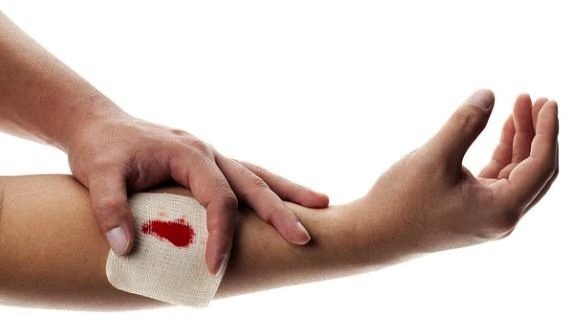
Most people get scared when they see blood. This is normal. Knowing how to properly provide assistance to yourself or others in case of heavy bleeding helps to stay calm and provide effective help in time. External bleeding is heavy if you see blood flowing in a stream or clothes quickly soaked with blood. Such bleeding must be stopped immediately, without waiting for medical personnel, because a person can bleed to death from large blood vessels within 1.5 minutes. Timely first aid for bleeding is a very important but also highly responsible action. If you follow these steps, you will provide targeted...
Read moreDo you know where to look for the nearest heart defibrillator in case of an emergency?
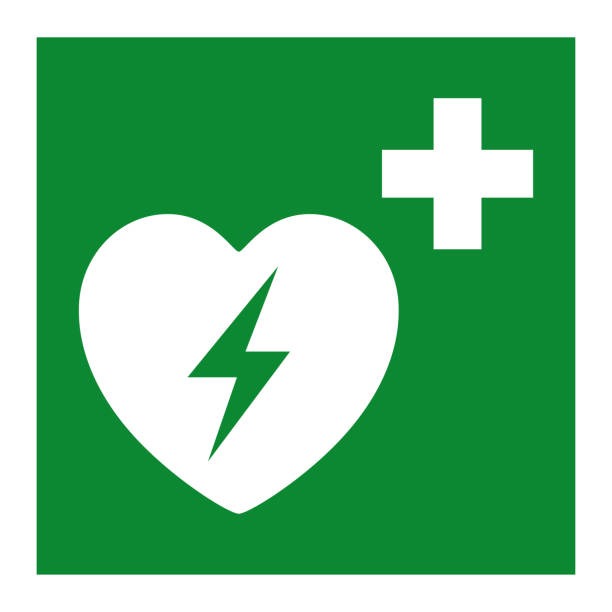
In the event of an accident or if the heart suddenly stops due to health problems, a person can still be saved, but the success of resuscitation largely depends on how quickly help is provided. For this reason, even after calling medical professionals, it is essential to immediately start resuscitation actions – artificial respiration and chest compressions. Automatic external defibrillators (AEDs) help restore the heartbeat and can be used by anyone, even without medical education. According to recommendations, if at least one or two deaths occur at a gathering place per year, an automatic external defibrillator (AED) should be constantly available...
Read more